
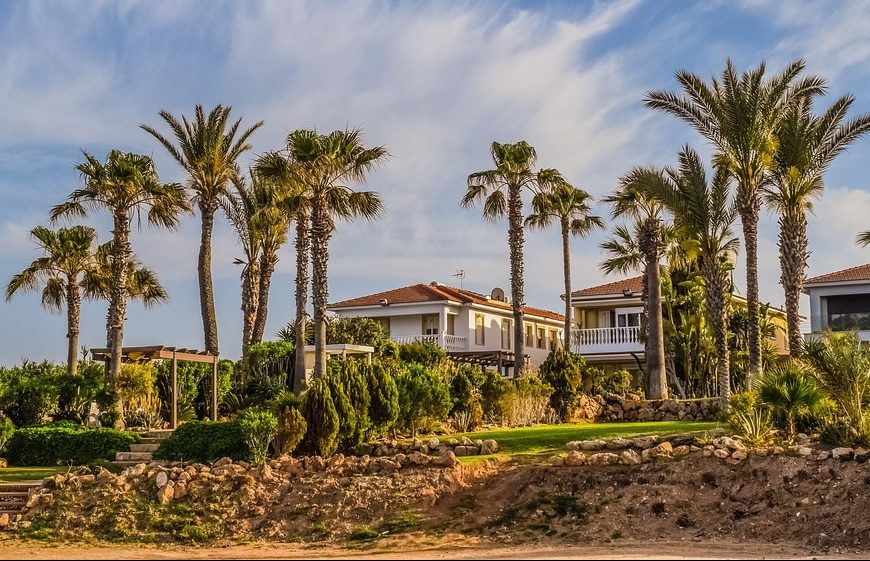
Are you interested in buying, building, or understanding real estate in Ghana? Navigating the property market in Ghana can feel complex, especially with the nuances of land tenure, costs, and local construction practices. Prime Builders Ghana is here to answer some of the most common questions about homes, land acquisition, building costs, and regulations in Ghana. We break down everything you need to know—from budgeting for a new home to understanding lease terms and block calculations for building. Whether you’re a first-time buyer, a seasoned investor, or just curious, this guide will equip you with the knowledge needed to make informed decisions in Ghana’s vibrant real estate market.
-
What is the cost of building a new home in Ghana
The cost to build a house in Ghana varies widely depending on factors like location, land cost, materials, labor, and design choices. Land prices range from around GHC 5,000 to over GHC 1,700,000 depending on the area. For construction, building a modest home typically costs between $20,000 and $50,000. This estimate covers construction basics, but the final price can fluctuate based on the specific materials and finishes chosen.
-
How big is four plots of land?
In Ghana, a standard plot of land is usually 80 x 100 feet or 70 x 100 feet, though in major cities like Accra and Kumasi, smaller plots are also common. Generally, four standard plots make up one acre. Even a half-plot can be suitable for building a townhouse, depending on the design and space requirements.
-
What are the basics in buying a plot of land in Ghana
Acquiring land in Ghana requires understanding different land rights, knowing land types, and following a few critical steps:
Types of Land Rights
Land rights in Ghana include leasehold (temporary rights for a set period) and allodial title (the highest ownership interest held by clans, stools, or the state). Most land is sold on a leasehold basis.Understanding Land Tenure
Land in Ghana is either customary (owned by clans or chiefs) or public (state-managed). Customary lands make up most of the land available, meaning local customs often dictate the acquisition process.The Acquisition Process
Due Diligence: Verify land ownership and inspect the property for potential issues. Consult the community, confirm the seller’s identity, and hire a surveyor.Lands Commission Search: Conduct a formal search with the Lands Commission to ensure the land is free of disputes and verify legal ownership.
Finalizing Purchase: Once satisfied, complete payment with witnesses, ideally via bank transfer. Secure your deed or title with the Lands Commission for formal recognition.
Restrictions for Foreigners
Foreign buyers cannot hold freehold titles and are limited to 50-year leases, which can be renewed.Land Prices
Prices vary based on location, size, and title status. Prime areas like Accra’s East Legon and Ridge have the highest prices, reflecting demand and development. -
How many blocks can be produced with 50kg of Cement
For a 50kg bag of cement, you can typically produce about 50 to 60 standard-sized blocks when mixed with sand, depending on the block size and the specific mix ratio used.
-
How many blocks is needed to build a 3 bed room house in Ghana
To determine the number of blocks needed to build a three-bedroom flat, several factors come into play. Typically, you may need between 3,000 to 5,000 blocks, depending on the overall design and size. Here’s a breakdown of what to consider:
Size and Layout: The dimensions of the bedrooms, living areas, kitchen, and bathrooms impact the block count. Larger square footage or complex shapes require more blocks.
Wall Height and Thickness: Higher or thicker walls for added insulation or durability also increase block usage.
Type of Blocks: Solid blocks are sturdy and often required for load-bearing walls, while hollow blocks are lighter and require fewer blocks for the same coverage.
Openings for Doors and Windows: Openings reduce the number of blocks needed but require careful framing with additional blocks for stability.
Foundation and Roofing: A strong foundation, especially for taller walls or multi-story structures, can require extra blocks. Similarly, certain roof designs may need additional structural support.
Consulting with a professional builder or contractor will provide a more accurate estimate based on your specific plan and site conditions.